9/12/2026
The Saddest Pokémon Backstory You've Ever Heard..
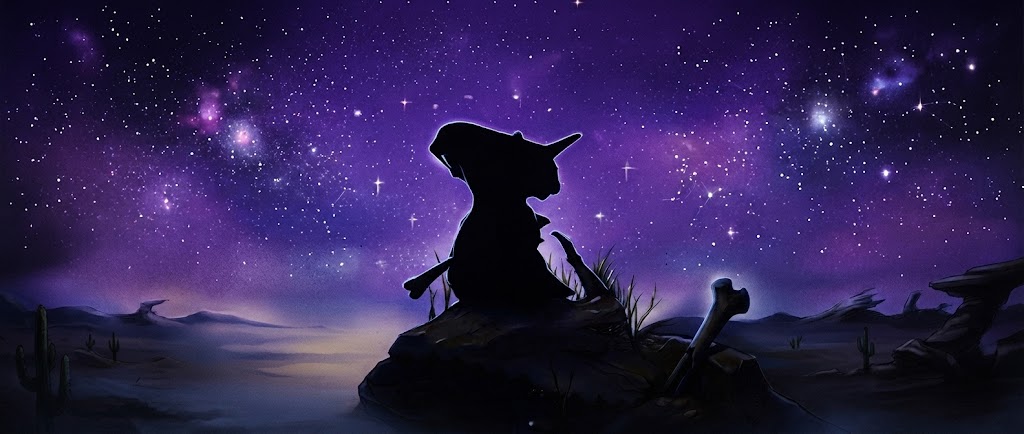
Far beyond the bustling asphalt of Saffron City and the crashing waves of Route 12, there is a place where the wind stops. In the heart of Kanto, tucked beneath a canopy of perpetual gray fog, stands Lavender Town. If you grew up playing the original Pokémon Red and Blue, you likely remember stumbling into the gloomy, fog-drenched halls of Lavender Town’s Pokémon Tower. It's a quiet place—a sanctuary of silent stone (in other words, a graveyard). For generations, travelers whispered warnings before entering it's gates, but the true haunting of Lavender Town was not born of ghosts or the ruthless greed of Team Rocket thugs lurking in the shadows. It walked on two small feet, wearing the heavy weight of the past and forever cemented itself into the darkest corners of our childhood memories: Cubone.
Cubone has been labeled as the "Lonely Pokémon," carrying a backstory that hits uncomfortably hard for a monster-catching game: “It lost it's mother and now wears its mother's skull & when the memory of it's departed mother brings it to tears, it's cries echo mournfully within the skull.”
According to Pokémon creator Satoshi Tajiri, the conceptual origin of Cubone was born from a very somber thought: “How sad would it be for a Pokémon to die?”
In early development, Cubone wasn't even given a cute name; its placeholder English name during beta testing was simply "Orphon" (a deliberate spelling variation of orphan). Game Freak wanted to introduce players to real themes of loss, grief, and the cycle of protection in nature. When a Marowak gives it's life to protect it's young, the surviving child doesn't just mourn—it carries a literal piece of it's mother forward, using her skull as a helmet and a bone from her skeleton as a weapon to survive a cruel wilderness.
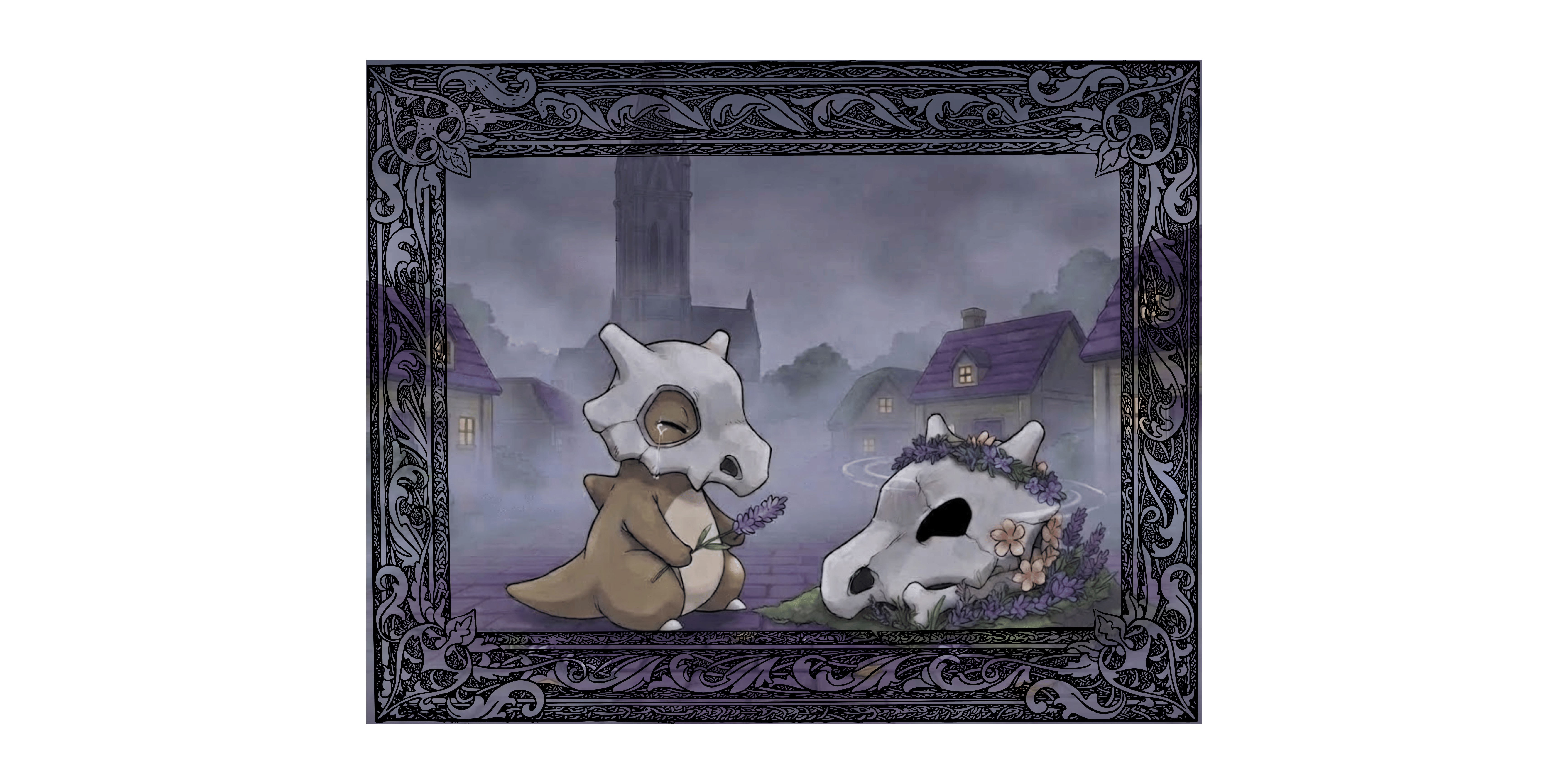
There is, however, a quiet resilience hidden in Cubone's Pokedex data that changes everything. While it's dreams are haunted by Lavender Town echoes and it cries itself to sleep, official entries note a profound mechanical truth: each tear Cubone sheds makes it stronger. The skull it wears isn't just a monument to grief; it’s an amplifier of endurance. Every sob echoes through the bone, hardening its resolve until the lonely orphan is ready to stand tall on its own two feet. It’s a haunting reminder that even in a world full of magic and super-powered battles, Pokémon tapped into something deeper than some may realize: love doesn't end just because someone is gone - Sometimes, it armor-plates you for the journey ahead.
Want more on Cubone's story? Keep reading to see why fans linked Cubone to another member of the Pokedex.

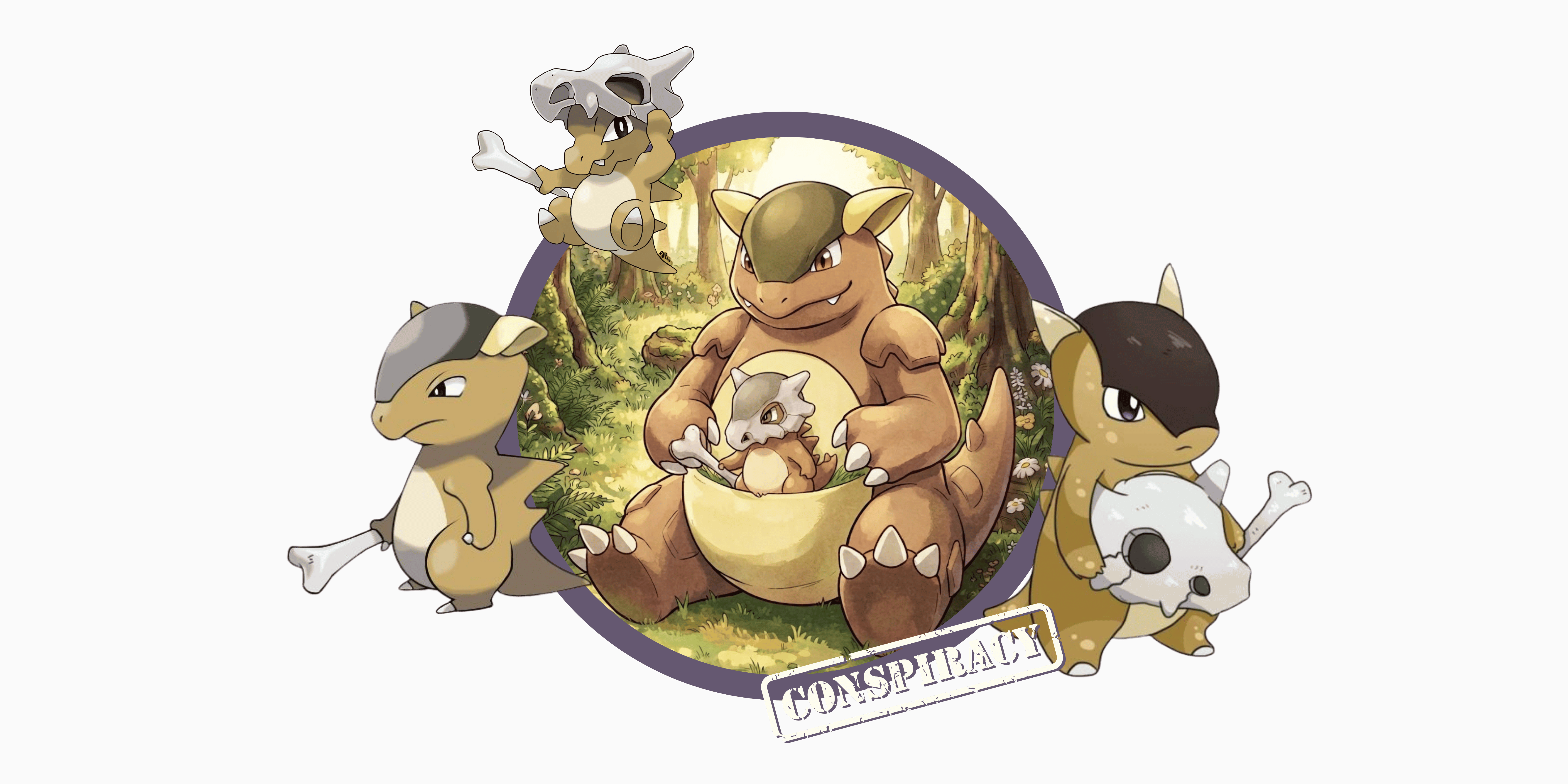
Naturally, a backstory as tragic as Cubone's sparked decades of intense fan theories, the most famous being the Kangaskhan Connection.
Look closely at a baby Kangaskhan sitting in its mother’s pouch: its body shape, tail, and skin tone look remarkably like an unmasked Cubone. Long-standing lore theorists deduced a heartbreaking lifecycle: what if every Cubone is actually just a displaced baby Kangaskhan whose mother perished, forcing the infant to adopt a skull and alter its entire developmental path? While Game Freak has kept it an open-ended mystery, the theory highlights just how deeply players analyzed Cubone's desperate need for maternal comfort.